
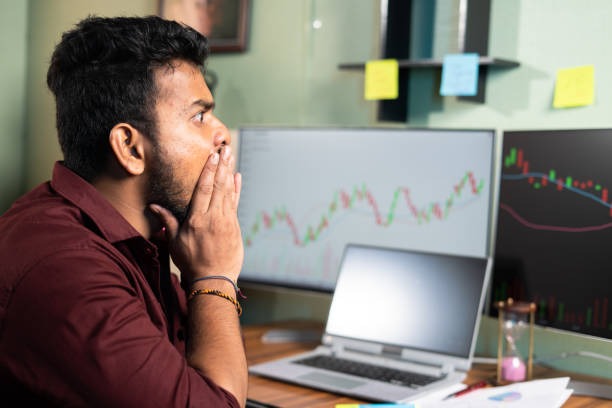
A stock market app helps investors buy, sell, and track shares online. It can show live prices, charts, market news, and even portfolio details. Sometimes it feels like it does everything in one place, but well. That’s the idea.
Lots of people search for the best stock market app India when they compare trading platforms. But the “right” one is not always the same for everyone. It depends on your own needs, the fees, how safe it is, and what tools you can actually use.
A smooth app can make the Share Market feel simpler to access. Still, every trade should come from research, and also some risk checks too.o
What Is a Stock Market App?
A stock market app is basically a digital platform for trading and investing.
It lets investors search for stocks, see prices, place orders, and also view what they currently hold.
Some apps can add support for mutual funds, ETFs, futures, and options as well.
To buy and hold shares, most investors need a trading account and a Demat account
The trading account is what you use to place orders. The Demat account is where shares stay stored digitally
Why Live Market Data Matters
Share prices keep changing during market hours
Live data helps you spot the latest price before you enter a trade. It may also show the day’s high, low, volume, and how the price is moving.
A stock market app can show major Share Market indices, plus sector data.
This can help you understand which parts of the market are moving and in what way.
Live data is helpful, but you should not treat price alone as the full decision. Company news and financial data also matter, and it’s best to review those too before you hit confirm
Role of Trading Analytics
Trading analytics can help you study what the market is doing
Charts often show how a stock price moved over time. Volume info can give a sense of how many shares were traded.
Some apps include price alerts, watchlists, and basic stock facts.
A watchlist helps investors keep selected shares in one place, not messy notes.s
Price alerts can send a notice when a stock reaches a level you set earlier.
These features can support market tracking. Yet they do not remove the real risk of loss.
How to Place a Trade
First, log in to the trading app.
Then search for the stock you want to study, check its current price, company details, and any recent updates.s
After that, choose an order type and enter the number of shares.
Review the order summary before you confirm the trade; this part gets skipped sometimes, but it matters.
When the order is complete, shares get added to the Demat account as per the settlement process.
A fast order system can make things feel smoother. But speed should not replace research, because fast mistakes are still mistakes.
Check Trading Costs
Trading can include multiple charges.
These may include brokerage, taxes, exchange fees, and other account-related costs.
Investors should read and understand all fees before opening an account or placing trades.
Clear cost details help you estimate the total value of each trade.e
If you trade often, added costs can stack up over time.
Keep the Account Safe
Trading apps store personal and financial information.
Use a strong password and keep login details private.
Two-step login checks, plus trade alerts, can add extra protection.
Always use the official app or website of the broker, not random links that look similar.
Do not share your password, PIN, or one-time code with anyone.
How to Compare Trading Apps
If you are looking for the best stock market app in India, you can compare apps using a simple list.
Look at live market data, trade tools, charges, account safety, research access, and customer support.
Also confirm if the broker is registered with the required market bodies.
The best choice should fit your goals, trading style, and risk level. Not just what sounds popular today
Conclusion
A stock market app helps investors follow live prices, place trades, and track holdings from one dashboard.d
It can also provide charts, alerts, and tools that support studying the stock market. et
Before choosing an app, check costs, safety, market data quality, and the key features of the account.
In the end, research and risk control are still core parts of every trade, no matter which app you use.