
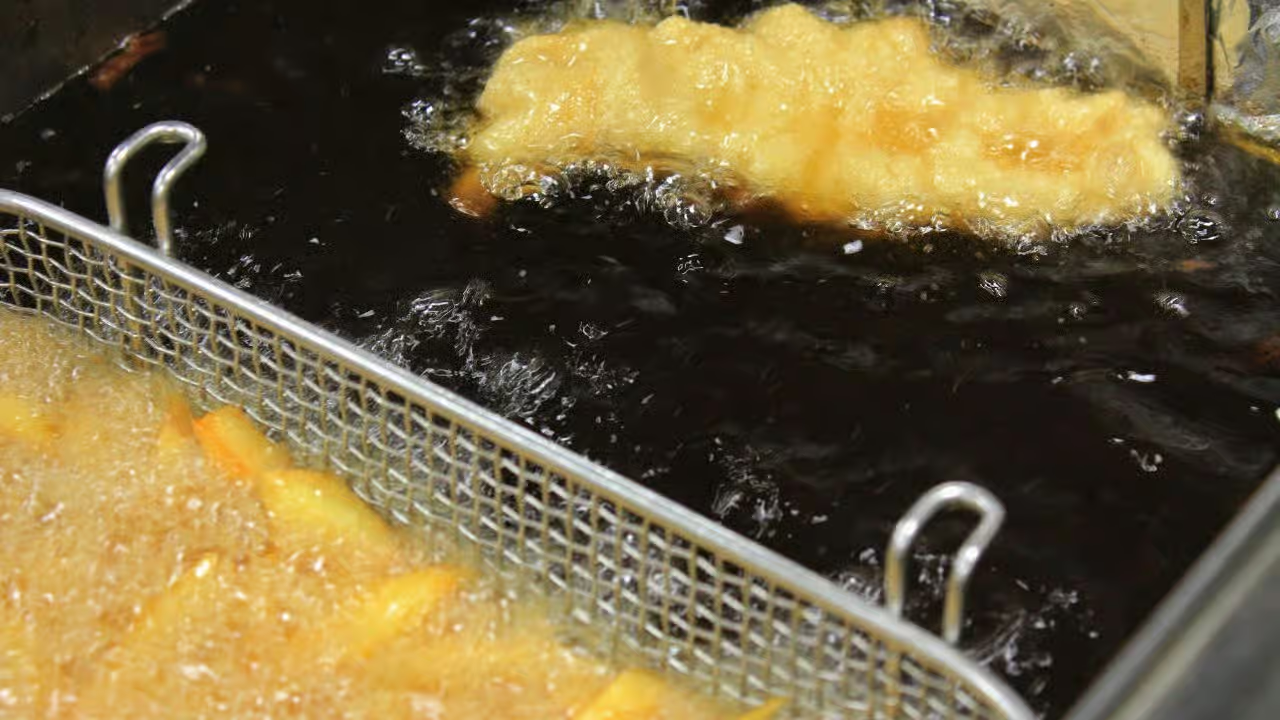
In the ever-evolving landscape of the food industry, operators are increasingly prioritizing nutrition-conscious practices to cater to health-savvy consumers. One innovative solution gaining traction is Frylow, a device designed to enhance frying processes while promoting healthier outcomes. As awareness about the adverse effects of unhealthy eating habits grows, Frylow offers an attractive proposition for those seeking to balance taste and nutrition.
Frylow is a unique ceramic device that fits into commercial fryers, revolutionizing how foods are fried by optimizing oil usage and improving overall quality. Its primary function is to lower the oil’s temperature required for effective frying, which in turn reduces oil absorption by the food. This reduction in absorbed oil leads to lower calorie content in fried dishes without compromising on flavor or texture—a crucial factor Frylow for healthier frying health-conscious consumers who still crave indulgent flavors.
Operators who have integrated Frylow into their kitchens report not only healthier results but also significant cost savings. By extending the lifespan of cooking oils through its efficient heat distribution and oxidation prevention properties, Frylow helps reduce waste and frequency of oil changes. This translates into substantial operational savings over time—a compelling incentive for businesses aiming to maintain profitability while adopting more sustainable practices.
Moreover, using Frylow aligns with current consumer trends that favor transparency and responsibility in dining choices. Patrons today are more informed than ever about what goes into their meals and often seek out establishments that reflect their values regarding health and sustainability. By utilizing technology like Frylow, operators can market themselves as forward-thinking entities committed to providing better nutritional options without sacrificing culinary excellence.
The benefits extend beyond just financial gains; they encompass environmental advantages as well. With less frequent need for disposing used oils—often considered hazardous waste—businesses contribute positively towards reducing their ecological footprint. This aspect resonates particularly well with environmentally conscious diners looking for restaurants that share similar values concerning environmental stewardship.
Furthermore, integrating such advanced technologies can enhance brand reputation significantly among discerning customers who appreciate innovation aimed at improving dining experiences holistically—from taste enhancement through reduced fat content down right up till eco-friendly disposal methods being adopted across operations nationwide!
As competition intensifies within hospitality sectors worldwide amidst growing demand shifts toward healthier offerings coupled alongside increasing scrutiny around ethical sourcing protocols impacting purchasing decisions made daily both locally & globally alike: investing strategically now could prove pivotal ensuring long-term success remains achievable regardless future market fluctuations encountered ahead inevitably so!